Where to See Herons in the UK: 10 Wetland Reserves for Spring
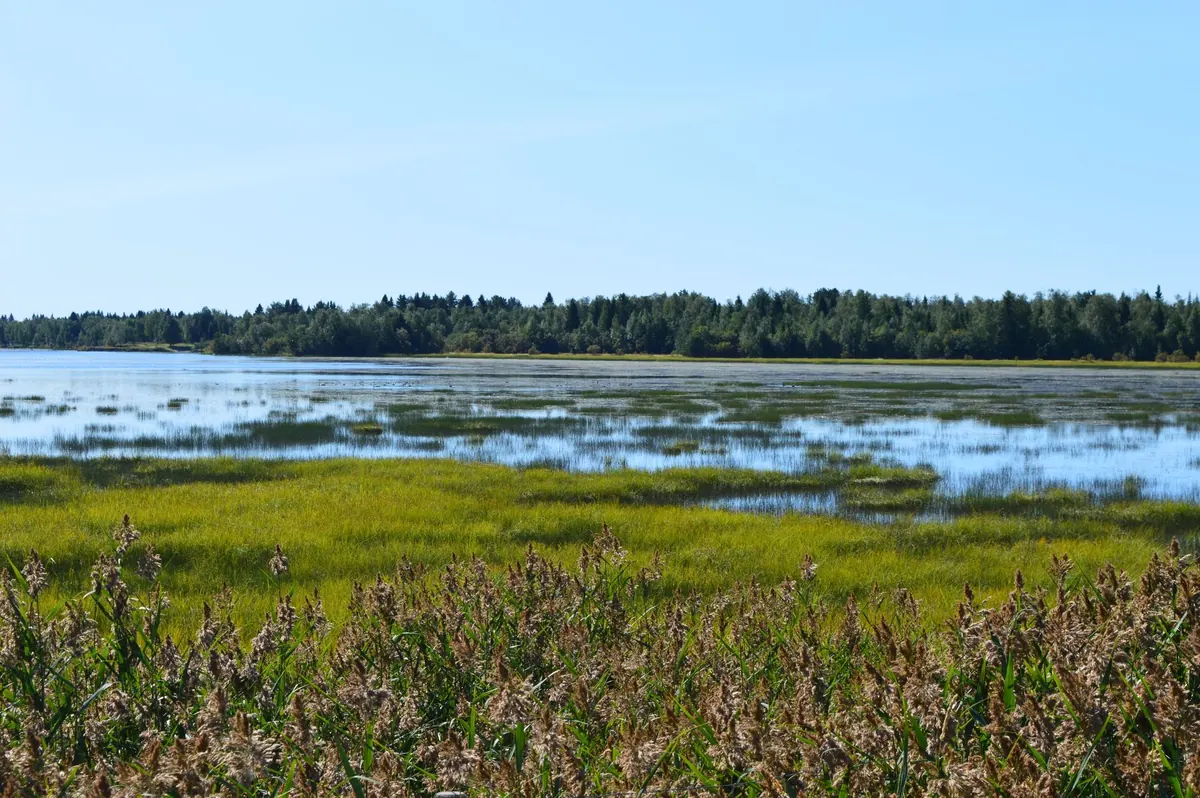
Grey herons are the birds most people can name and the fewest people actually stop to watch. Spring changes that. Heronries fill up in February and March while the trees are still bare, adults shuttle back and forth with sticks, and by April there are ragged chicks visible through the branches. Add little egrets, great white egrets and the chance of a booming bittern, and a wetland reserve in spring becomes one of the best-value days out in British birdwatching. Here are ten reserves where herons are reliable, with notes on timing, access and how to watch without doing any harm.
Why spring is the best time to watch herons
Grey herons nest earlier than almost any other large British bird. Pairs settle into their colony trees from late winter, eggs appear in February and March, and young are in the nest through April and into May. Because the nests are high and the surrounding trees are bare, visibility is far better now than it will be in June.
Feeding is at its most visible, too. Fish and amphibians are active in shallowing pools, and adults need to make a great many trips to keep growing chicks supplied. Look for a bird standing motionless in the shallows, neck folded, apparently doing nothing at all — then the sudden strike. Herons feed alone for the most part, so a line of them spaced along a dyke is a good sign that the fishing is easy.
Ten wetland reserves worth a spring visit
Somerset, the Severn Vale and the South East
RSPB Ham Wall, Somerset. Old peat workings turned into reedbed, open water and wet woodland, with Shapwick Heath next door. Herons fish the ditches all year; spring brings booming bitterns, little egrets and a fair chance of a great white egret. Start at the viewing platform on the main track, then work your way round the hides.
WWT Slimbridge, Gloucestershire. The heronry sits in trees beside the pools, and nesting birds are usually visible from the hides with very little effort. The wintering swans and ducks have gone by April, which makes the herons and egrets easier to pick out. Book online if you are coming at a weekend.
WWT London Wetland Centre, Barnes. Herons nest in the trees within sight of the main paths, which makes this the easiest heron fix for anyone travelling by bus or train. Expect nest-building, feeding flights and, by late April, chicks in the canopy. Go early — the site fills up after mid-morning.
East Anglia and the Midlands
RSPB Minsmere, Suffolk. Reedbed, scrapes and woodland in one reserve, which is why it turns up in almost every spring round-up. Herons and little egrets feed on the Scrape, bitterns boom from the reeds, and marsh harriers are up more or less constantly. The circular walk takes you past the best of it; allow half a day.
RSPB Strumpshaw Fen, Norfolk. A fen and wet woodland reserve in the Yare valley, with herons nesting in the trees and feeding along the dykes. By May it is also good for swallowtails and hunting hobbies. Paths can be muddy well into spring, so boots are sensible.
RSPB Otmoor, Oxfordshire. A restored wetland of reedbed and wet grassland, and a useful Midlands option. Herons and egrets are common, spring brings displaying lapwings, and there is a decent chance of a hobby over the reeds later in the season.
Northern England, Wales and Scotland
RSPB Leighton Moss, Lancashire. The largest reedbed in north-west England. Herons, egrets and bitterns all use the pools, and the causeway hides give close views across the water. Herons often stand in the margins while everything else keeps out of sight.
WWT Martin Mere, Lancashire. A big shallow mere with herons nesting in the trees around the water and plenty of hide cover. It is a straightforward reserve for families and for anyone who wants a warm hide with a view.
WWT Llanelli, Carmarthenshire. Coastal wetlands on the Burry Inlet, mixing saltmarsh with freshwater pools. Herons and little egrets are present all year; spring adds shelduck and a good chance to compare heron and egret behaviour side by side.
RSPB Lochwinnoch, Renfrewshire. Lochs, fen and woodland, and the most accessible heron site in the west of Scotland. Birds fish the shallows and fly to and from nesting trees, easiest to follow in spring before the leaves close the view.
Timing your visit across the season
February and early March are for nest-building and incubation. Birds are noisy, territorial and highly visible in bare trees. April is the best month overall: chicks are in the nest, adults are working hard, and the canopy has not yet closed over.
May gives you fledglings clattering about on the edges of the heronry and a good spread of other species. Go early in the morning or in the last two hours of light; herons feed throughout the day but activity peaks at both ends. A cold snap will slow everything down for a week or so, so if you have a choice, pick a mild, still day.
Herons return to traditional sites, so a heronry that is quiet this year may be busy next. If you visit the same reserve each spring, you will learn where the birds prefer to stand, and that knowledge is worth more than any list of reserves.
Access, kit and heron etiquette
Most of the reserves above charge for entry or ask non-members to pay, and RSPB and WWT members get in free. Check opening times before travelling, especially in early spring when some paths are closed after flooding.
- Stay on paths and in hides. Never walk towards a heronry. Disturbance can cause chicks to fall from nests or adults to abandon them, and wild birds, their nests and their eggs are protected by law — check the reserve's own rules as well.
- Take binoculars, at least 8x42. A scope helps for nests across water. Waterproofs and boots matter more than camera gear in March and April.
- Keep dogs on a lead and leave drones at home; they are unwelcome and often prohibited near nesting birds.
- Learn the white birds. A little egret is smaller than a heron with a black bill and yellow feet; a great white egret is heron-sized with a long yellow bill. Grey herons show black head plumes in breeding plumage.
Before you go: a short checklist
- Pick a reserve with a heronry and open hides, and ring ahead if you are unsure.
- Arrive at first light, or plan your visit for the last two hours before dusk.
- Check the tide, the weather and any flood closures the day before.
- Take a notebook. Recording nest counts at a site you visit regularly is genuinely useful, and the BTO's long-running heronries survey welcomes extra eyes.
- Give nesting birds distance, keep quiet near hides, and leave the site as you found it.
Spring is short and the trees close over quickly. Choose one reserve, go early, and spend an hour doing nothing but watching a heron stand still. It is the least demanding birdwatching there is, and often the most rewarding.
Photo: Maris Uuetoa / Pexels